Some businesses need a better strategy. Others need a different engine altogether.
Strategy and business model are not the same thing — and the distinction matters. Strategy is the route: where the business is going, and how it plans to get there. The business model is the engine: how the business creates, delivers and captures value in the first place. A business can change its route many times without ever touching the engine. But when the engine itself is no longer fit for where the business needs to go, no amount of route-planning will get it there.
There are two distinct situations where this becomes the relevant question.
The defensive case: the business environment changes around you.
Customer needs shift. New technology — AI being the clearest current example — changes what is possible, what competitors can now do, and what customers come to expect as standard. Companies that build their business model around this from the outset begin to outperform and outpace those that simply add new tools to an existing way of working. When this happens, incremental adjustments — cost-cutting, product tweaks, new campaigns — may improve performance temporarily, but they do not address the underlying issue: the model itself is no longer competitive. At that point, the model needs to be reinvented to remain relevant to the customer.
The offensive case: the business chooses to be the disruption.
In some situations, a company does not wait for customer needs or market conditions to shift — it changes them deliberately, by serving the customer in a fundamentally different way. This is rarely about the product itself. Airbnb did not build a better hotel; it changed what "accommodation" means and who can provide it. The disruption was in the model — how value is created, delivered and captured — not in any single feature. Companies that take this path are not responding to a changed business environment. They are creating one.
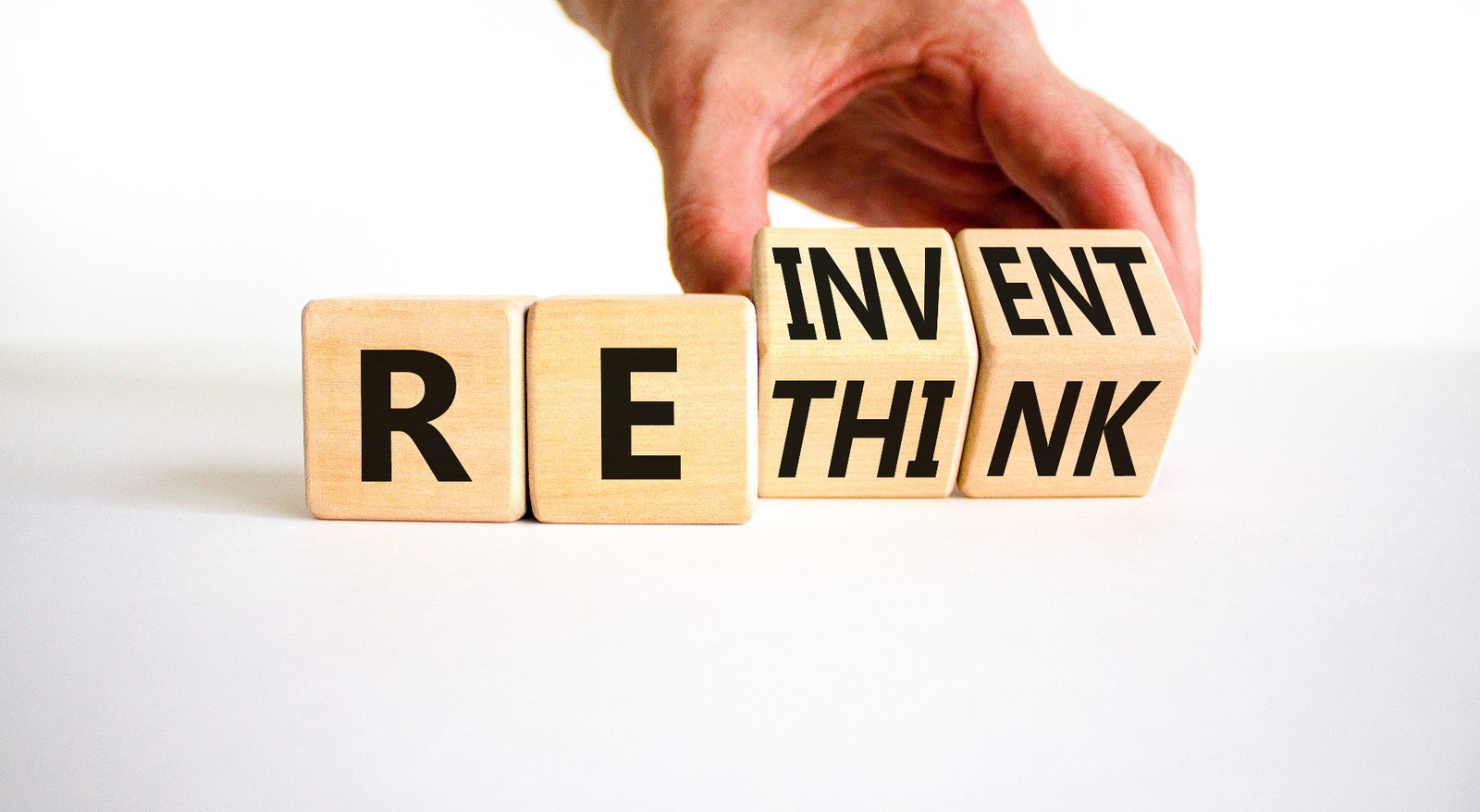
Either way, the business model has to be reinvented.
This is often the most underrated form of innovation. When companies think about innovation, they usually think about products — a new feature, a new product line, a new piece of technology. But how a business creates, delivers and captures value can be just as powerful a source of advantage, and it's a lever that gets used far less often. Netflix didn't out-innovate Blockbuster on movies — it changed the model from per-rental payments to subscription access. Reinvention at this level isn't a smaller or safer alternative to product innovation. It's a different lever entirely — and for most businesses, one that has barely been touched.
This is where we go deep.
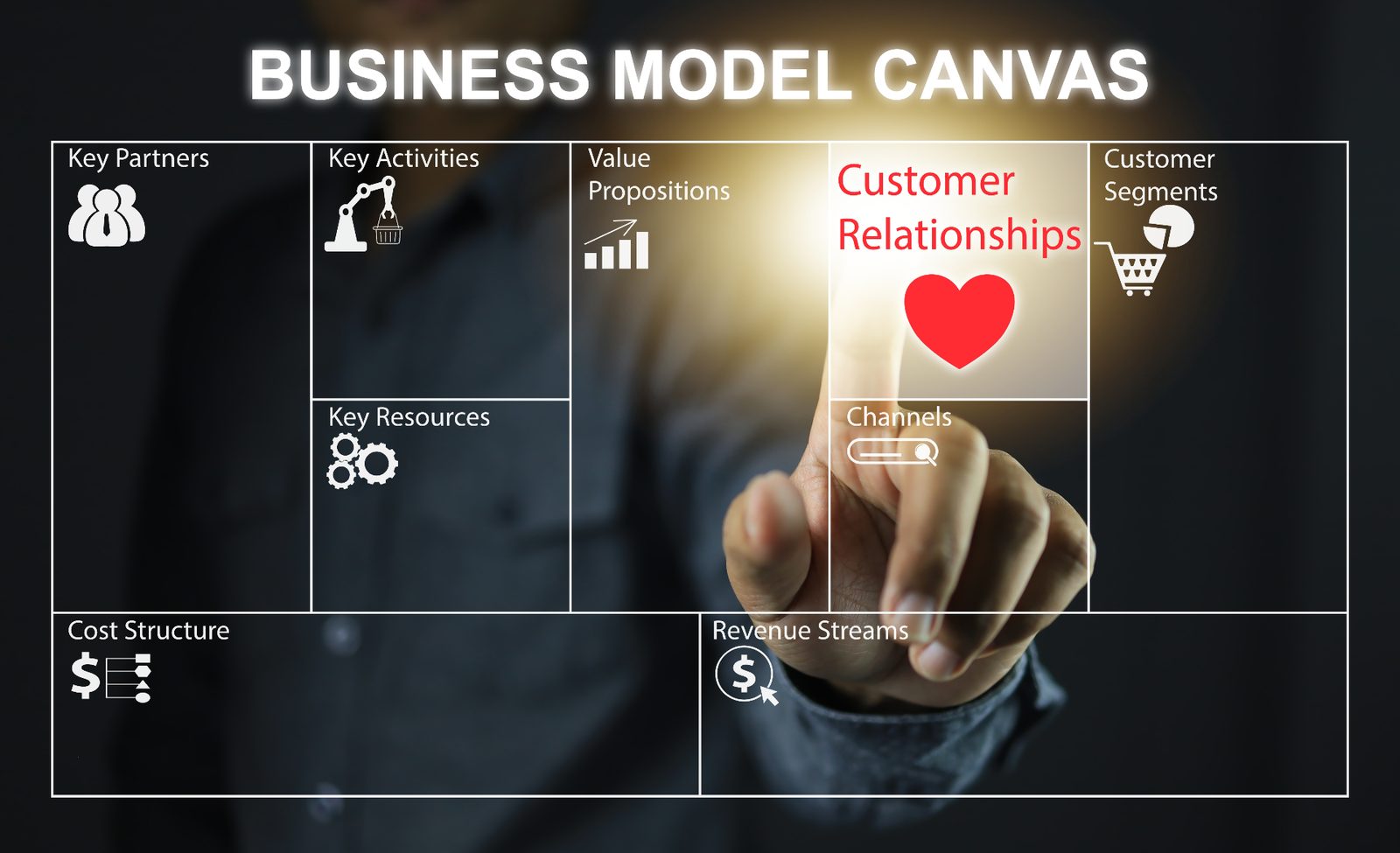
We use the Business Model Canvas as our foundation to systematically rethink how your business creates, delivers and captures value — across every component: value proposition, revenue streams, cost structure, channels and key partnerships. We examine what your customers are actually trying to achieve, not just what they currently buy from you, and design a model built for where the business environment is heading, or for the position you intend to create within it.
What we build together
- A business model redesign — in part or as a whole — across value proposition, revenue streams, cost structure, channels and key partnerships
- A sharper value proposition built around what your customers are genuinely trying to get done
- An assessment of how AI and automation change your cost structure, your competitive position, or your value proposition
- A phased roadmap for moving from the current model to the new one, without destroying existing value in the process
A redesign starts with the right question.
Bring us the pressure you're feeling — or the opportunity you can see. We'll start there.